
Running a retail business has never been easy, but today’s economic landscape is creating new challenges for store owners. Inflation, labor shortages, changing consumer habits, and rising operating costs have made every percentage point of profit more valuable than ever.
While increasing sales is always the goal, successful retailers know that protecting profit margins can have an even greater impact on their bottom line. Often, the smartest financial decisions aren’t about selling more—they’re about keeping more of what you’ve already earned.
Here are five areas where retailers are finding opportunities to improve profitability without sacrificing customer experience.
1. Rethink Your Return Policy
Returns are simply part of retail, but they don’t have to become a major drain on profits.
Each return comes with hidden costs:
- Employee time
- Restocking labor
- Damaged or unsellable merchandise
- Credit card processing expenses
- Lost sales opportunities
Many retailers are tightening return windows, requiring receipts, offering exchanges or store credit when appropriate, and using better product descriptions to reduce unnecessary returns.
The goal isn’t to make returns difficult—it’s to make them smarter.
RELATED BLOG: How Merchants Can Prevent Chargebacks
2. Reduce Inventory Shrink
Inventory shrink continues to cost retailers billions of dollars every year through theft, fraud, administrative errors, and damaged merchandise.
Fortunately, technology has made shrink prevention more accessible than ever.
Retailers are investing in:
- Better inventory management systems
- Security cameras
- Employee training
- More frequent inventory counts
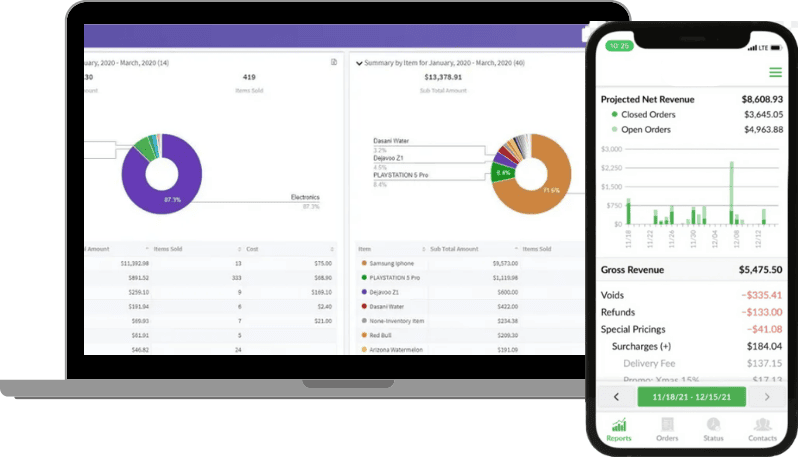
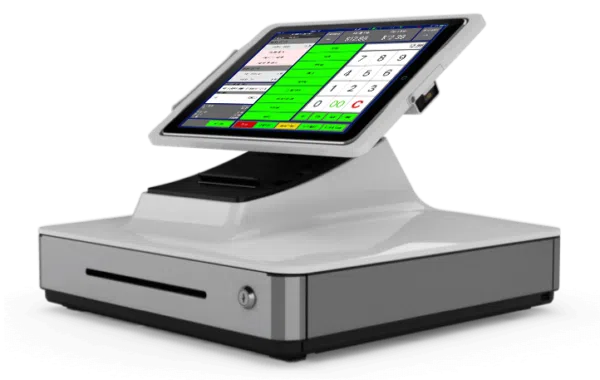
- POS systems that help identify unusual transaction patterns
Even a small reduction in shrink can have a meaningful impact on annual profits.
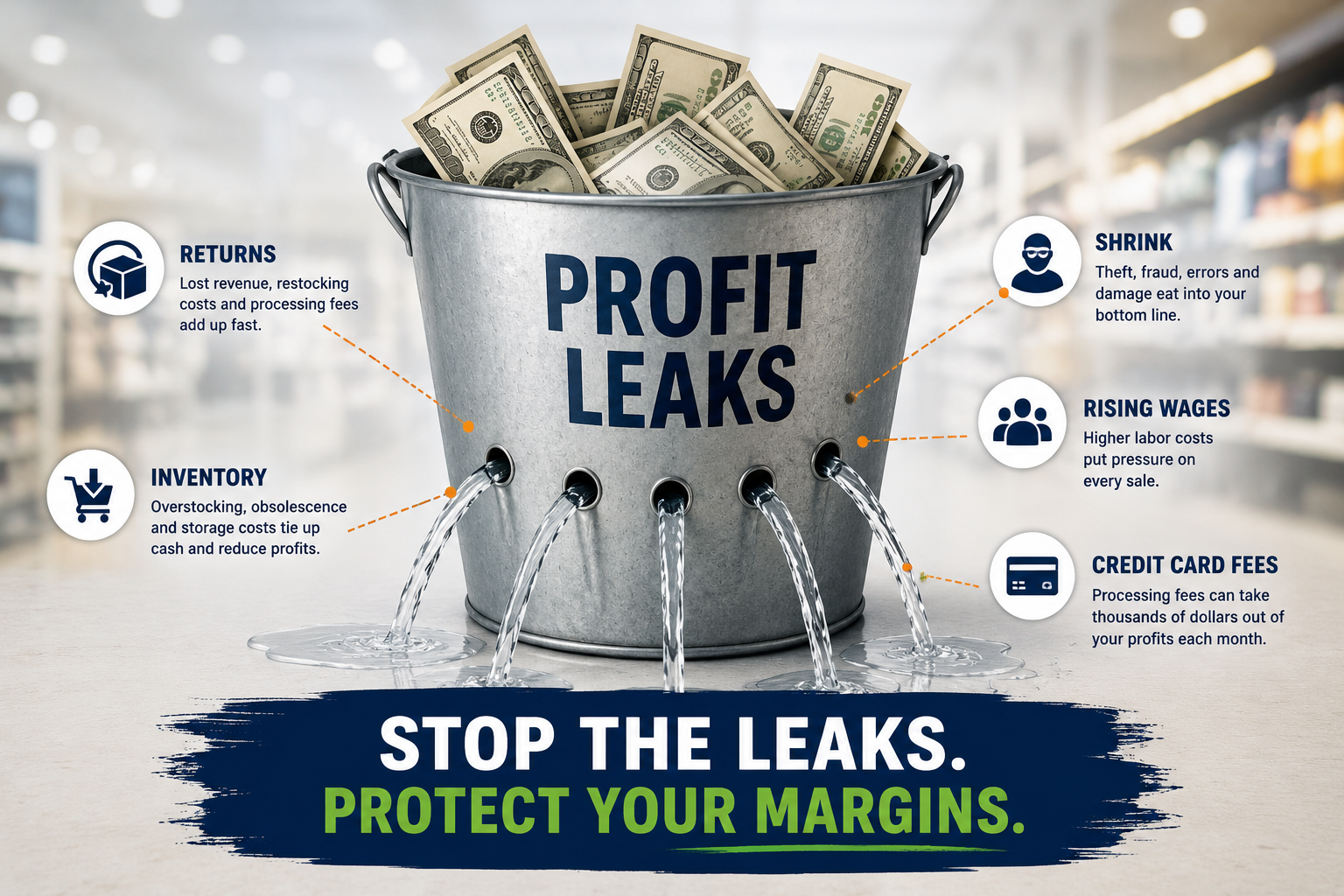
3. Manage Inventory Carrying Costs
Having too much inventory ties up cash that could be used elsewhere in the business.
Excess inventory creates several hidden expenses:
- Storage costs
- Insurance
- Obsolescence
- Discounting slow-moving products
- Cash flow limitations
Successful retailers use sales data to identify fast- and slow-moving items, allowing them to order more strategically instead of simply ordering more.
The result is healthier cash flow and fewer markdowns.
NEED TO MANAGE HEAVY INVENTORY? Check out BodegaAI POS.
4. Find Ways to Offset Rising Labor Costs
Wages continue to rise across nearly every retail sector. While investing in employees is essential, retailers are also looking for ways to improve productivity.
Some strategies include:
- Cross-training employees
- Using self-service technologies where appropriate
- Streamlining checkout
- Automating repetitive administrative tasks
- Scheduling based on sales trends instead of fixed staffing models
Technology isn’t replacing employees—it allows staff to spend more time helping customers and less time on manual processes.
5. Don’t Ignore Credit Card Processing Fees
This is one expense many retailers simply accept as unavoidable.
As customers increasingly prefer paying with credit cards, processing fees have quietly become one of the largest monthly operating expenses for many businesses.
Depending on sales volume, these fees can easily add up to thousands—or even tens of thousands—of dollars each year.
Unlike rent or payroll, however, payment processing costs are one area where many retailers now have new options.
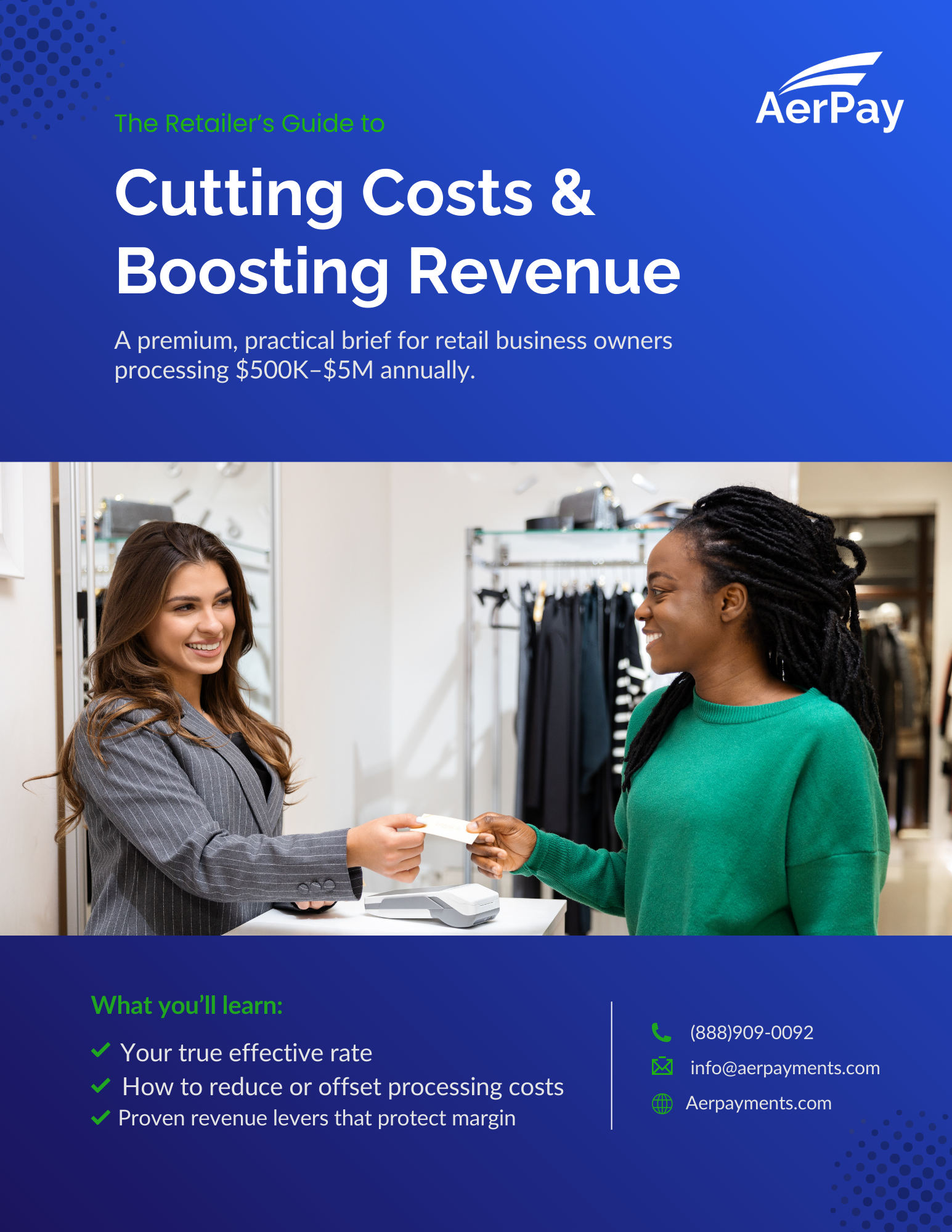
For more information on how dual pricing works for retail businesses, download the Retailer’s Guide to Cutting Costs & Boosting Revenue
How Modern Payment Technology Is Changing the Equation
Today’s payment solutions go beyond simply accepting cards.
Modern payment platforms can offer:
- Faster checkout experiences
- Contactless payments
- Mobile and digital wallet acceptance
- Better reporting and analytics
- Integrated POS capabilities
- Flexible payment acceptance options
One option that’s growing in popularity is dual pricing.
With a properly implemented dual pricing program, retailers display both a cash price and a card price, allowing customers to choose their preferred payment method while helping offset the cost of credit card acceptance.
For many businesses, this can significantly reduce—or even eliminate—the expense of processing fees while remaining transparent with customers.
The key is working with a payment provider that understands compliance requirements, provides clear customer communication, and delivers payment technology that fits the way your business operates.
Profit Protection Is the New Growth Strategy
Growing revenue will always be important, but today’s smartest retailers are paying just as much attention to protecting the profits they already earn.
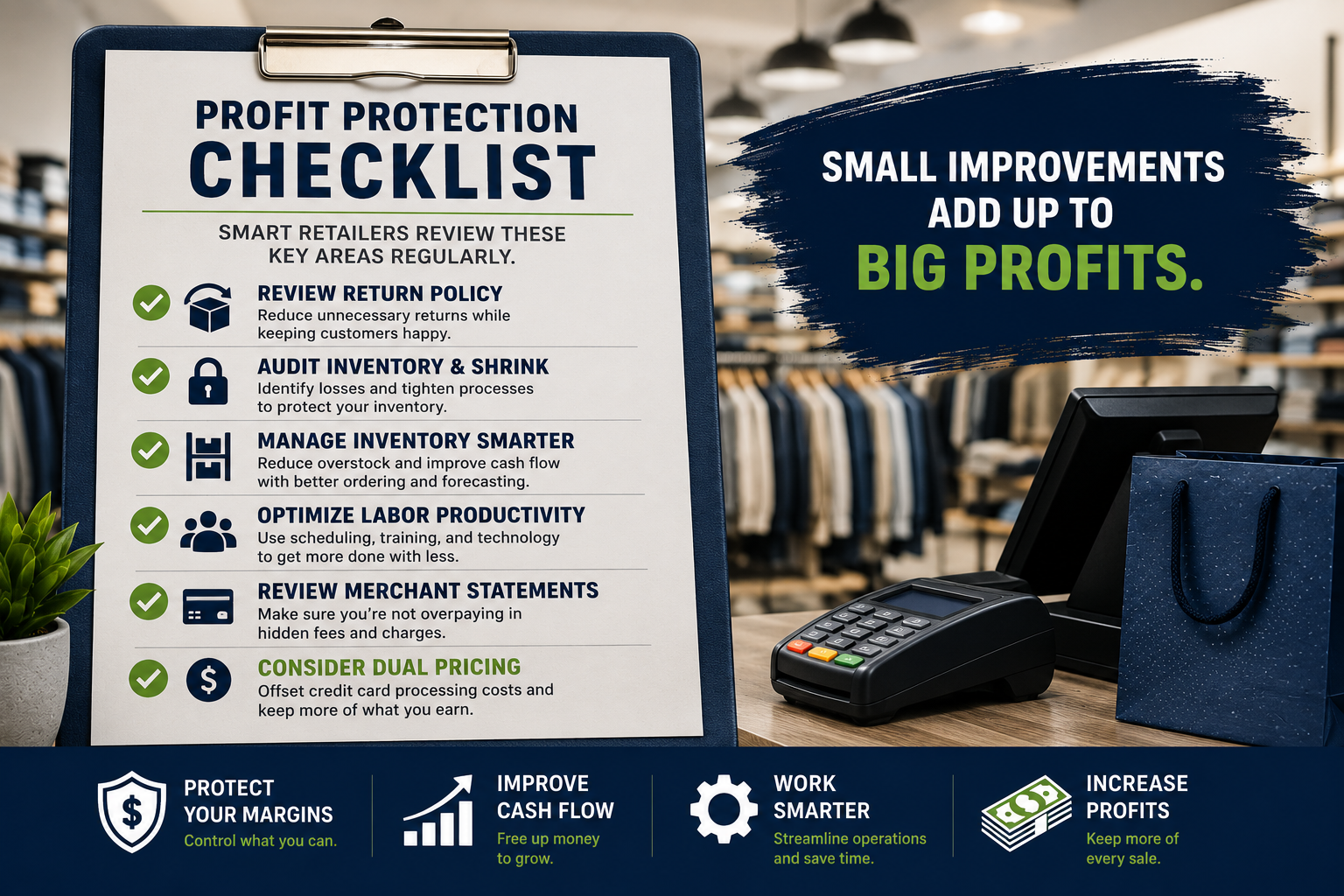
Small improvements across several areas—reducing returns, minimizing shrink, managing inventory more efficiently, improving labor productivity, and controlling payment processing costs—can add up to substantial savings over the course of a year.
In today’s retail environment, success isn’t just about selling more. It’s about making every sale more profitable.
Ready to See How Much You Could Save?
If credit card processing fees have become one of your largest monthly expenses, AerPay can help.
Our Aer0™ Dual Pricing solution is designed to help retailers reduce payment processing costs while delivering a fast, secure checkout experience customers expect. Whether you operate a single storefront or multiple locations, we’ll provide a customized savings analysis to show exactly how much your business could save.
Learn more about Aer0 Dual Pricing or request your free custom savings analysis today.